
On Being An Object
/If you have not run across Alice Bradley’s excellent blog post, “On Being an Object, and Then Not Being an Object”, you must read it. Immediately. And read all of the comments below it as well. Then forward it to someone who may not fully appreciate the extent to which women are treated as objects, or the damage that does. I’ve forwarded it to a certain presidential candidate who doesn’t think women are discriminated against anymore.
While I think I, and many other women, struggle more than Alice with becoming less of an object as I grow older – that’s how deep the message goes – I could never thank her enough for boldly describing what it’s like to be an object. I can’t improve on what she has written, so I will just offer you three quotes, to entice you to go read her post yourself. The first two from Alice:
“To be a young woman in our culture means that you exist, from an alarmingly young age, for the appreciation of others. Therefore, your every feature is fair game for public appraisal.” – Alice Bradley
"There were other incidents, too; so many incidents. Every one underscored the message that I wasn't safe, that I deserved whatever was coming to me, because I was young and a woman and that was how it was and also I should appreciate it." - Alice Bradley
The third chosen from the many excellent comments to Alice’s post:
“I feel like so many men feel ENTITLED to women's beauty. Like it is a present the world gives them, and they feel like they can do with it what they will.” - Suebob
What do you think of what Alice and her commenters describe?
--------
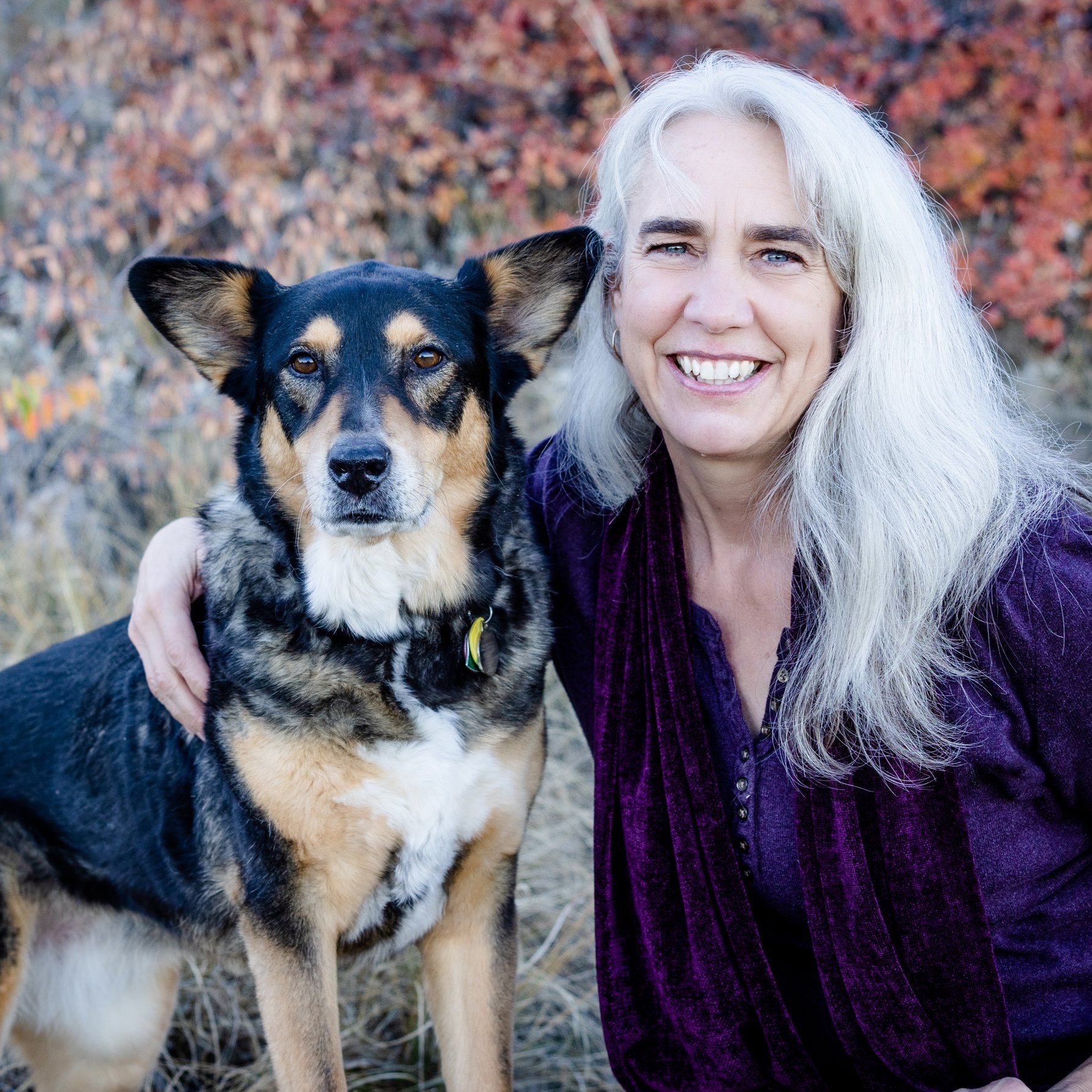
Peg Shippert is a psychotherapist in private practice in Boulder, Colorado. She has a deep passion for working with survivors of sexual violence.



We have video funerals, like we have video conferences, and video doctor visits. We’re starting to gather, in some cases, with 6 feet between a handful of local mourners. It doesn’t feel like enough to me. Even the most satisfying funeral for a single COVID death isn’t the place to address the connection between all the deaths, and all the mourners. All the common threads among the lives that will never be the same after this pandemic. I feel a need for an additional way to mourn that acknowledges the global community of mourners, and honors the collective nature of our losses. One that enables mutual support among mourners who perhaps have different losses that are all part of the larger phenomenon.